

ROLE SPRAWL
Administrative roles expand without enough boundary design
Built-in roles, broad group membership, and exception-driven assignments can create access patterns that are functional but difficult to justify or audit.
Identity & Security
Veles IT Solutions helps organizations design RBAC and role based access control across Microsoft environments so administrative access, privileged identity management, support roles, and review processes are aligned to real responsibilities instead of inherited convenience.
The work spans Entra role structure, role access control, separation of duties, privileged access patterns, endpoint privilege assumptions, and governance controls that keep access from drifting over time.
Most RBAC problems are not caused by too few roles. They are caused by roles, groups, emergency access patterns, and support permissions accumulating without enough structure, ownership, or review discipline. The result is broad privilege that feels necessary because no cleaner operating model was defined.
ROLE SPRAWL
Built-in roles, broad group membership, and exception-driven assignments can create access patterns that are functional but difficult to justify or audit.

PRIVILEGE
Teams may want least-privilege access but still rely on broad standing rights because escalation, approval, and elevation paths were never designed clearly enough.

REVIEW
RBAC models drift when role ownership, joiner-mover-leaver handling, periodic reviews, and exception retirement do not have a clear operating cadence.
AUDITABILITY
When the role model is not explicit, teams struggle to show why permissions exist, who owns them, and how administrative risk is being controlled over time.
The point of RBAC is not to create more role documentation. It is to make privileged access easier to govern without breaking the work that administrators and support teams actually need to do.
Define clearer Entra role boundaries, assignment patterns, scope logic, and separation of duties so administrative access reflects actual responsibilities.
Design the approval, escalation, and privileged access patterns needed so teams can perform sensitive actions without carrying broad standing access.
Align help desk roles, Remote Help boundaries, and admin support models so support access is practical, constrained, and easier to review.
Strong RBAC design reaches beyond role names. It includes administrative scope, support workflows, privilege elevation, lifecycle ownership, and the governance controls that keep access aligned to real responsibilities.
Reduce the places where local admin, app administration, or packaging workflows still depend on broad unmanaged privilege.
Build review cadence, ownership, joiner-mover-leaver handling, and exception retirement into the RBAC model so drift can be controlled over time.
Make role intent, privilege decisions, and operational justifications easier to explain to security, compliance, and leadership stakeholders.
When these areas are aligned, role-based access control becomes easier to operate, measure, and improve without adding avoidable complexity for the team.
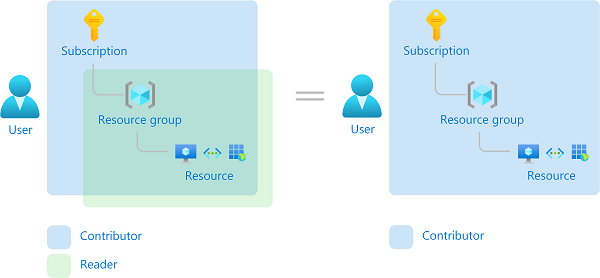
RBAC design works when administrative roles, support duties, privileged operations, and approval expectations are aligned to the work people actually perform.
That means role design needs discovery, cleanup, and governance instead of copying today's access shape into a new model.
Role-based access control has to include review cadence, exception handling, evidence, and ownership so access does not drift back toward convenience.

The carousel uses one security operations image to explain the three things RBAC needs after the design: ownership, review, and exception handling.
Role ownership, privilege boundaries, reviews, and exceptions managed as one RBAC operating cadence.
Each role has a reason, a responsible owner, and a relationship to real support or administrative work.
Administrative rights are scoped around tasks, risk, approval needs, and escalation paths.
Access reviews, exceptions, and role changes produce evidence that teams can actually use.
The broader access and identity protection model where RBAC fits alongside Conditional Access, authentication, and identity security controls.
Learn moreControl models, review processes, and audit expectations that keep role assignments supportable and defensible.
Learn moreHybrid identity, admin role cleanup, lifecycle governance, and the Entra operating model that often sets the foundation for stronger RBAC.
Learn moreEndpoint Privilege Management and support-role design patterns that often intersect directly with RBAC work.
Learn moreEndpoint operations, support boundaries, and device-admin assumptions that often need to align to the RBAC model.
Learn moreApplication packaging and admin scope decisions where unmanaged privilege often creates operational and security risk.
Learn moreRBAC is rarely a standalone exercise. It usually works best when identity, endpoint, application, and governance decisions are being brought back under one clearer control model.
The work usually starts with understanding current privilege patterns and ends with a cleaner assignment model, tighter workflows, and an operating cadence for reviews and exceptions.
Review admin roles, group assignments, technician permissions, inherited access, and the informal exception paths that currently keep operations moving.
Clarify administrative boundaries, separation of duties, privileged action paths, support scopes, and where standing access should be reduced or replaced.
Sequence the role cleanup and workflow changes in a way that preserves operational continuity while removing unnecessary access safely.
Put access reviews, exception handling, role ownership, and reporting in place so the RBAC model remains controlled after the design work is finished.
That keeps RBAC grounded in real operations instead of turning it into a policy-only exercise disconnected from how teams actually work.
RBAC FAQ
RBAC, or role based access control, is the design of permission boundaries, administrative scopes, and assignment models so people receive the access required for their responsibilities without carrying unnecessary standing privilege.
Role based access control usually includes administrative role design, separation of duties, privileged identity management alignment, group and assignment structure, access review processes, exception handling, and the governance model needed to keep role sprawl from returning.
RBAC defines who should have access and why. Privileged identity management governs how elevated access is approved, activated, reviewed, and retired so sensitive roles do not become permanent standing privilege.
Zero Trust is the wider access and security model. RBAC is a narrower control layer inside it, focused on who can administer systems, approve changes, elevate privileges, and access sensitive operational functions with the least standing access possible.
Yes. RBAC often connects to help desk scopes, Remote Help boundaries, Endpoint Privilege Management, application administration, and other operational roles that need stronger least-privilege design.
Start with a discussion of current admin scopes, role access control boundaries, privileged identity management workflows, access review gaps, and the least-privilege operating model needed to keep privilege under better control.


