

Knowledge Bottleneck
Answers live in a few people
Routine questions still depend on the same experienced staff members being available to answer them.
SMB AI & Automation
We help SMB teams use Microsoft-aligned AI agents and automation to answer repeat questions, summarize requests, improve triage, and keep work moving without turning AI into generic chatbot theater. The focus is business outcomes: less waiting, less rework, and quicker follow-through.
SMB teams usually do not need AI everywhere. They need help in the places where the same questions, triage work, and coordination tasks keep stealing time from a small team.
Knowledge Bottleneck
Routine questions still depend on the same experienced staff members being available to answer them.

Triage Delay
Teams spend effort deciding what a request means and where it should go before any real work starts.

Response Time
Common questions, status checks, and procedural guidance still depend on a person replying manually.

Follow-Through
AI is not helpful if it produces generic output that people need to fully recreate or verify from scratch.
That is why SMB AI work has to start with narrow use cases, approved knowledge, and clear boundaries before agents touch operational workflows.
AI is most useful for SMB teams when it is tied to approved knowledge, repeat questions, clear triage paths, and workflows that already have owners. The work starts with practical use cases, not open-ended chatbot ambition.
Answer repeat questions using approved SOPs, internal guidance, and Microsoft-based knowledge sources.
Summarize emails or requests, classify them, and route them into the right process faster.
Help staff understand what happens next in a process without waiting for someone to respond manually.
Meet users inside Microsoft Teams so agent interactions happen where work already happens.
Trigger approved Power Automate steps after the agent has collected, summarized, or routed the work.
Use AI where it removes repetitive coordination work without replacing the judgment people still need to apply.
The goal is a focused agent that helps people move faster while keeping answers, actions, and exceptions inside a controlled operating model.

SMB AI agents are most valuable when they answer a specific class of questions, summarize a recurring request type, or guide the next step in a workflow the team already understands.
That keeps AI practical for lean teams and avoids a broad chatbot experience that is hard to trust or improve.
AI agents need approved knowledge sources, permissions, escalation paths, logging, and human confirmation where the business risk requires it.
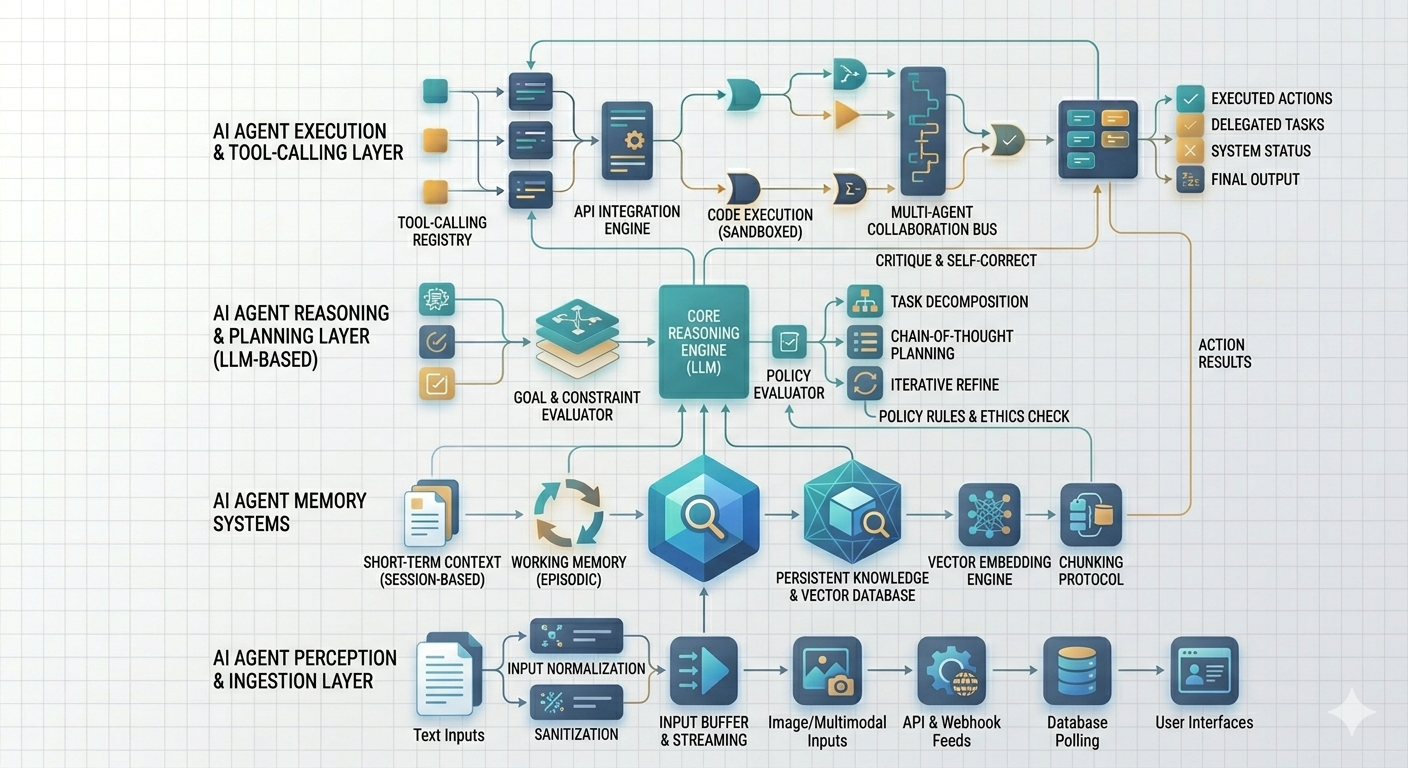
A single AI operations visual anchors how knowledge, triage, workflow handoff, and review boundaries come together for small and medium-sized teams.
The agent uses the policies, SOPs, documents, and data sources the team has selected for this specific job.
AI suggestions, summaries, and triggers connect to Power Automate or Teams workflows only where the next step is clear.
Usage, escalations, feedback, and output quality are reviewed so the agent improves instead of drifting.
Approved knowledge, triage, workflow handoff, human review, and quality monitoring kept in one SMB AI operating model.
Start with a repeated question, triage task, or coordination problem that clearly wastes time today.
Clarify what the agent can read, what it can suggest, and what still needs confirmation or human approval.
Use approved Microsoft content and operational knowledge instead of relying on generic answers.
Connect the agent to approved automation only where it improves speed and clarity, not complexity.
Validate that the agent helps people move faster without creating avoidable risk or confusion.
Improve the first use case, then extend AI support into adjacent workflows once the value is clear.
A narrow pilot makes quality easier to test, adoption easier to support, and expansion easier to justify with real operating evidence.
The first gains usually appear where people ask the same questions, summarize the same requests, or wait for the same internal guidance. AI should reduce that coordination load while preserving human judgment where it matters.
Team
Common help requests, how-to questions, and triage summaries become faster and easier to handle.
Team
Policy questions, process guidance, and request classification can move faster without constant interruption of key staff.
Team
Summaries, operational follow-up, and clearer next-step recommendations reduce coordination overhead for a small leadership team.
Team
Repeatable status checks, internal lookups, and structured responses can shorten turnaround without adding headcount.
When the first use case is working, the business has a safer base for connecting agents to automation and extending support across additional teams.
The goal is to move from AI curiosity to a controlled use case that helps the business. That means the engagement connects knowledge sources, workflow boundaries, response quality, and human oversight from the start.
Identify the repeated questions, triage work, summaries, and support patterns where AI can reduce coordination time safely.
Clarify what the agent can read, what it can answer, when it should hand off, and which actions require human confirmation.
Build the use case in phases so quality, security, adoption, and automation handoffs can be tested with real users.
Use feedback and operating evidence to improve the first agent before connecting additional workflows or teams.
That is what turns AI agents into practical operational support instead of a generic chatbot that creates more follow-up work.
SMB AI FAQ
A strong first use case usually answers repeat questions, summarizes recurring requests, or speeds up an internal support workflow without adding unnecessary complexity.
Yes. Teams is often one of the best places for AI agents because it meets users where work is already happening.
No. The practical goal is to remove repetitive coordination work so people can focus on exceptions, judgment, and higher-value tasks.
Yes. AI agents become more useful when they can trigger approved Power Automate workflows or structured next steps after summarizing or routing work.
We keep the scope narrow, use approved Microsoft knowledge sources, define workflow boundaries clearly, and preserve human oversight where action needs confirmation.
Start with one practical use case where your team keeps repeating the same work. We will help define where AI adds value and where automation should take over next.
We can help define the first safe use case, connect the right knowledge sources, and decide where automation should support the agent next.


